


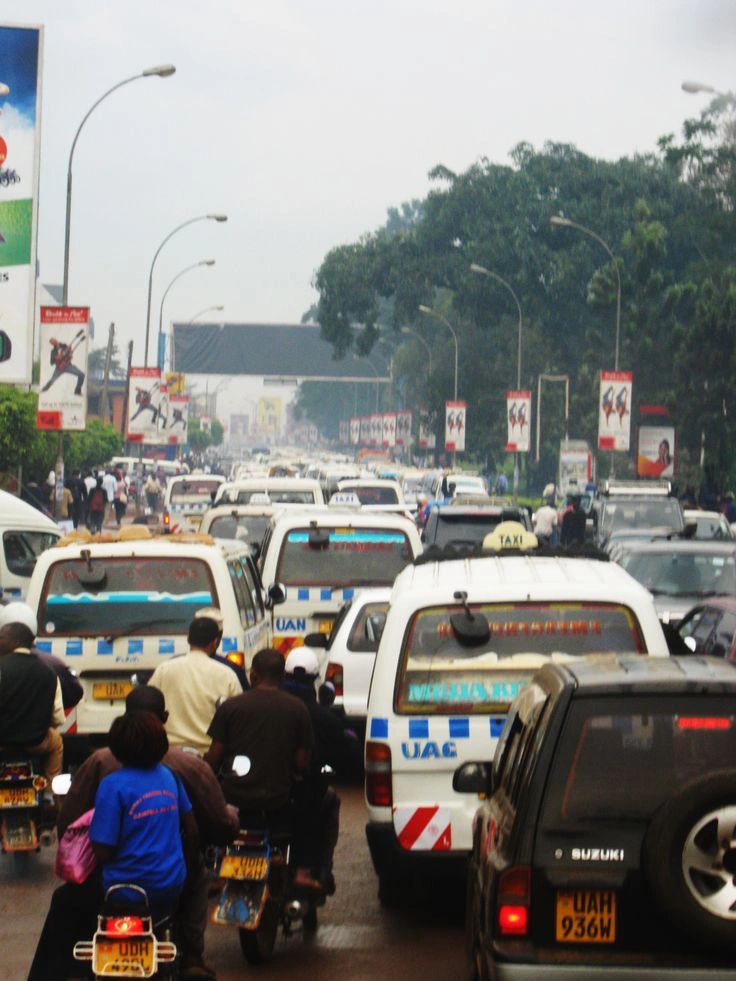
According to parliamentary reports, the average Ugandan loses nearly 52 working days every year sitting in traffic.
In Kampala alone, traffic congestion is estimated to cost the economy about Shs5.7 billion every single day through lost productivity, fuel consumption, and delayed business activity.
The average commuter now spends close to 2.5 hours daily in traffic, with vehicle speeds in some parts of the city slowing to just 11 km/h during peak hours.
Transport is becoming one of the biggest challenges affecting everyday life in Uganda today.
From Kampala to other growing urban centers, traffic congestion is increasing rapidly.
People spend hours on the road trying to get to work, school, business, and meetings. Fuel costs continue to rise, roads are under pressure, and public transport remains inconsistent for many ordinary Ugandans.
However, We should all take note that traffic is not only a transport problem it is a city planning problem.
As Uganda urbanizes, smart city conversations should go beyond buildings and real estate.
It is difficult for Cities to function properly if movement is slow, expensive, unsafe, and disorganized. Public transport systems, road networks, drainage, walkways, and urban planning must all work together to support growth.
For many middle- and low-income earners, public transport is the backbone of daily life.
Taxis, boda bodas, and buses connect people to jobs, schools, hospitals, and markets every day. But without proper organization, the system becomes chaotic and inefficient.
Uganda should begin investing in organized taxi stages, safer pedestrian walkways, reliable bus systems, and better traffic management to improve movement within cities.
This issue also affects business and national productivity. When workers spend long hours in traffic, businesses lose time, fuel costs increase, and economic activity slows down.
Investors are naturally attracted to cities where infrastructure works efficiently and movement is predictable. Parliament, city authorities, and urban planners should therefore prioritize long-term transport solutions instead of waiting for congestion to become unmanageable.
A smart city is defined by how efficiently people can move, work, and access opportunity.
As Uganda continues to grow, the future of our cities will depend not only on the structures we build, but on how well we plan systems that improve everyday life for all Ugandans.